The Australian Franchise Landscape Is Changing
Franchise buyers in Australia are becoming more deliberate. Instead of chasing hype or one-off success stories, investors are looking for stability, scalability, and brands that align with modern consumer behaviour. As a result, what many now consider the best franchises to buy in Australia has shifted toward proven models built for long-term performance.
Over the past decade, food and beverage franchises have quietly moved to the top of the list. Not because they are trendy, but because they consistently outperform other franchise categories on fundamentals that matter to buyers: demand resilience, operational efficiency, brand recall, and repeat spending.
This article breaks down why that shift is happening, what it means for investors, and how modern food and beverage franchises are redefining what a strong franchise investment looks like in Australia. For those actively comparing options, understanding what defines the best franchise to buy in Australia is a critical first step.
What Defines the Best Franchise to Buy in Australia Today?
The definition of a good franchise has evolved. Ten years ago, visibility and novelty were often enough. Today, franchise buyers are sharper, more risk-aware, and far more focused on long-term viability.
At its core, the best franchise to buy in Australia combines three things: brand strength, operational clarity, and a proven system that performs across different economic conditions.
From Brand Recognition to Proven Systems
Brand recognition still matters, but it is no longer the headline act. Investors now look past the logo and ask tougher questions:
- Is the business model proven across multiple locations?
- Can the system be replicated without relying on a single operator?
- Are training, marketing, and technology built into the model?
Successful franchises in Australia tend to share a common trait: strong central systems that reduce reliance on individual decision-making. This is where a proven franchise model in Australia creates a genuine competitive advantage. The stronger the system, the lower the operational risk for franchisees.
Why Risk Reduction Now Matters More Than Ever
Rising rents, higher wages, and fluctuating consumer confidence have reshaped the business landscape. As a result, many first-time and experienced buyers are prioritising franchises that reduce uncertainty.
Franchising offers built-in safeguards that independent businesses often lack. Established supply chains, tested pricing strategies, and national marketing support all help protect margins.
This is why low-risk franchise investment opportunities in Australia are attracting attention, particularly in categories where demand remains consistent regardless of economic cycles.
For buyers comparing options, resources like the Best Franchises to Buy in Australia guide provide a useful benchmark for understanding which franchise models are built for resilience rather than speculation.
Why Food and Beverage Franchises Are Leading Franchise Rankings
Food and beverage franchises have emerged as a standout category for one simple reason: people continue to spend on everyday indulgences, even when they cut back elsewhere.
From quick-service dining to specialty beverages, these businesses tap into habits rather than discretionary splurges.
Consistent Consumer Demand Across Economic Cycles
Unlike large-ticket purchases, food and beverage spending is habitual. Coffee, snacks, and drinks are part of daily routines, not occasional luxuries. That consistency translates into predictable foot traffic and repeat customers.
According to the Franchise Council of Australia, food-related franchises continue to represent one of the most stable segments of the franchising sector, driven by repeat consumption and brand loyalty.
This demand stability is a key reason why food and beverage franchises are often ranked among the best franchise opportunities in Australia.
Food and beverage franchises remain one of the most resilient segments of the Australian franchising sector, supported by repeat consumer demand, established brand systems, and scalable operating models that perform across economic cycles.
Scalable Store Formats and Faster Rollouts
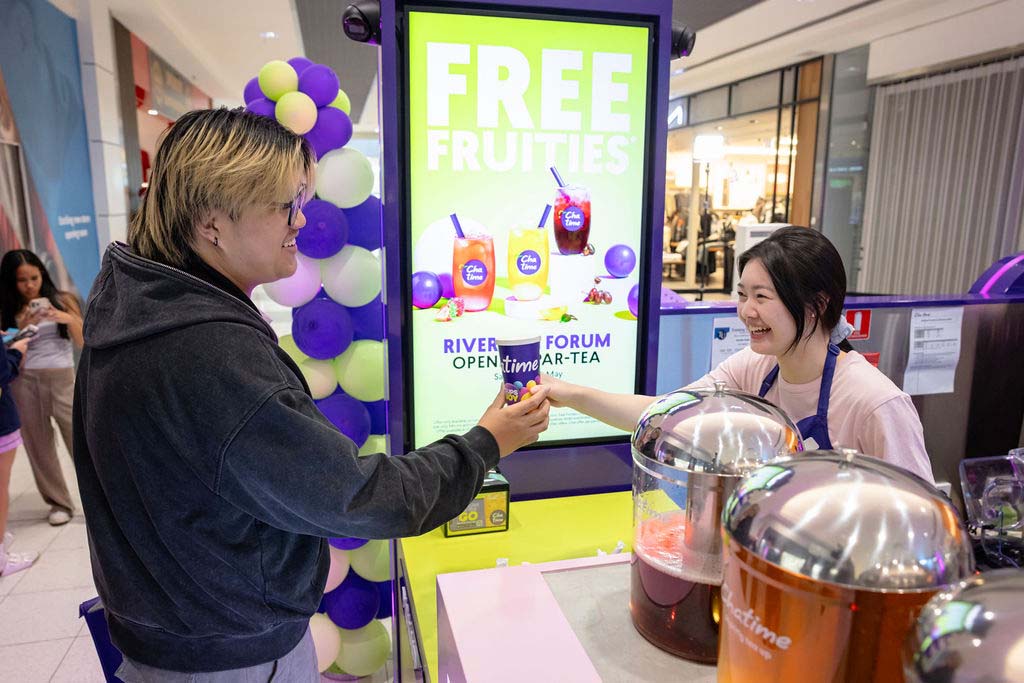
Modern food and beverage franchises are no longer limited to large-format stores. Many now operate across kiosks, compact retail spaces, and high-traffic locations such as shopping centres and transport hubs.
This flexibility allows franchise networks to scale faster while reducing fit-out costs and lease exposure. For investors, that means a clearer path to expansion and easier entry into prime locations.
Why Beverage Brands Are Outperforming Traditional Food Franchises
Within the broader food and beverage category, beverage-focused franchises are gaining momentum. Their appeal lies in simplicity, efficiency, and strong margins.
Lower Complexity, Higher Operational Efficiency
Beverage franchises typically operate with:
- Smaller menus
- Faster service times
- Reduced food waste
- Simplified staff training
This streamlined approach lowers operational complexity and helps franchisees maintain consistency across locations. Fewer moving parts mean fewer opportunities for error.
For investors focused on franchise return on investment in Australia, beverage models often present a compelling balance between cost control and revenue potential.
Strong Appeal to Younger Consumer Markets
Younger consumers, particularly Gen Z and Millennials, place high value on experience, customisation, and brand identity. Beverage brands are well positioned to deliver all three.
From personalised orders to strong social media presence, beverage franchises have become part of everyday culture. This visibility fuels organic brand growth and repeat visitation.
The rise of bubble tea franchises in Australia is a clear example of how beverage concepts can scale rapidly while maintaining strong brand engagement.
Franchises built around habitual, repeat-purchase products tend to demonstrate stronger foot traffic consistency and revenue predictability than discretionary retail categories, making them more attractive to risk-conscious investors.
What Investors Should Look for in a Food and Beverage Franchise
Not all food and beverage franchises are created equal. Investors still need to evaluate opportunities carefully to determine which models are built for long-term success.
Training, Support, and Systems That Scale
A strong franchise system should provide comprehensive training and ongoing support, not just initial onboarding. This includes:
- Structured training programs
- Centralised marketing support
- Operational technology and reporting systems
- Ongoing performance guidance
Franchises with strong training and franchise support systems in Australia consistently outperform those that leave operators to figure things out alone.
Why Ongoing Support Matters More Than Initial Setup
The early months of operation are important, but long-term success depends on continuous support. Market conditions change, consumer preferences evolve, and systems need to adapt.
Franchisors that invest in franchisee success beyond opening day create stronger networks and more sustainable businesses.
Industry analysis indicates that Australia’s food service and beverage sector continues to benefit from population growth, urban density, and sustained consumer demand for convenient, branded experiences, reinforcing franchising as a preferred expansion model.
Key Factors That Separate Strong Franchise Investments
To make comparisons easier, the table below outlines how high-performing food and beverage franchises typically compare to less structured models.
This comparison highlights why investors increasingly favour franchises with proven systems and scalable infrastructure.
How Chatime Aligns With What Defines the Best Franchise to Buy in Australia
When evaluating modern food and beverage franchises, Chatime consistently aligns with the criteria investors now prioritise.
A Proven Food and Beverage Franchise Model at Scale
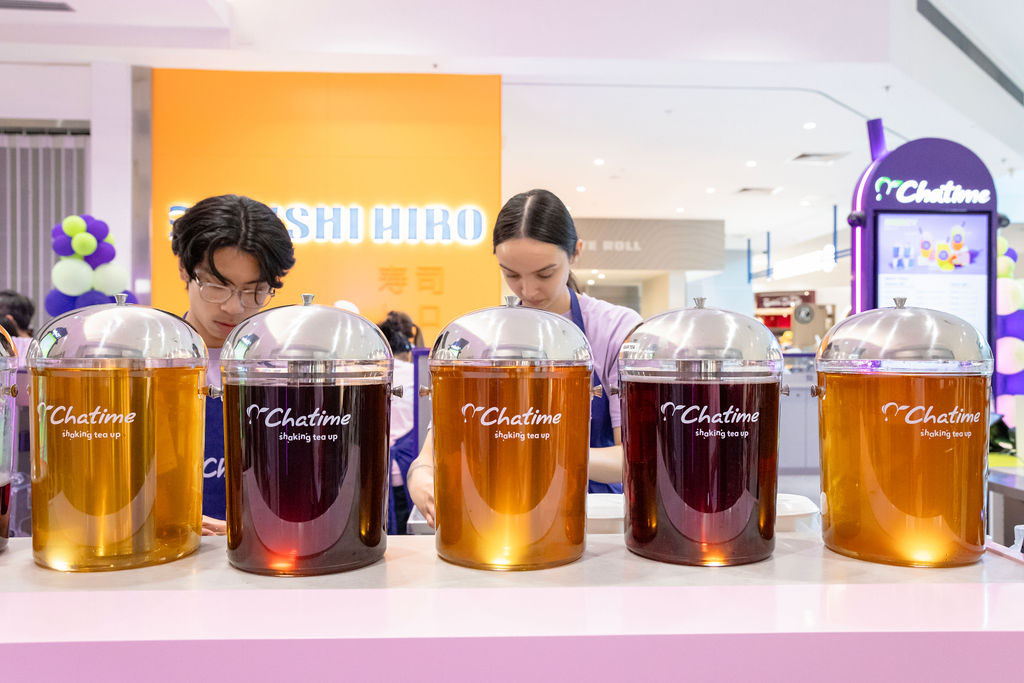
Chatime operates within a highly repeatable beverage model supported by strong brand recognition and a national footprint. Its focus on operational efficiency and consistency helps franchisees deliver the same experience across locations.
This combination of scale and systemisation positions Chatime as a strong contender among the best franchise opportunities in Australia.
A Clear Path From Interest to Ownership
For prospective franchisees exploring franchise ownership opportunities in Australia, clarity matters. From initial enquiry through to store opening, structured processes help reduce uncertainty and build confidence.
Those exploring franchise investment opportunities in Australia can learn more about the ownership journey through the Become a Franchisee pathway, which outlines the steps involved in joining the network.
Is a Food and Beverage Franchise Right for You?
Food and beverage franchises are not a one-size-fits-all solution, but for many investors they offer a balance of structure, demand stability, and growth potential that is difficult to match.
When a Structured Franchise Beats Going Independent
Independent businesses offer creative freedom, but they also carry higher risk. Franchises provide tested systems, brand recognition, and operational support that can significantly shorten the learning curve.
For first-time buyers and experienced operators alike, this structure often leads to more predictable outcomes.
Next Steps for Exploring Franchise Opportunities in Australia
Choosing the right franchise requires careful research and honest self-assessment. Understanding costs, support systems, and long-term expectations is critical.
For those still evaluating options, exploring resources such as franchise FAQs and comparative franchise guides can help clarify whether a food and beverage franchise aligns with your goals.
As the Australian franchising landscape continues to evolve, one thing is clear: the definition of the best franchise to buy in Australia is no longer about novelty. It is about systems, support, and brands built for modern consumer demand.
Explore One of the Best Franchise Opportunities in Australia
If you are researching the best franchise to buy in Australia, Chatime offers a proven food and beverage model backed by strong systems, training, and national brand recognition.
Whether you are new to franchising or looking to expand your portfolio, our franchise team can help you understand the opportunity, costs, and next steps with clarity.
Start Your JourneyNo obligation. Just a conversation about whether a Chatime franchise is right for you.
FAQs about choosing the best franchise to buy in Australia
These answers are designed to help you evaluate franchise opportunities in Australia with more clarity, especially in the food and beverage space.
What makes a food and beverage brand a strong contender for the best franchise to buy in Australia?
In most cases, the best franchises in Australia share a few fundamentals: repeat customer demand, operational simplicity, strong brand recognition, and a proven system that supports franchisees. Food and beverage franchises often win because customer behaviour is habitual, not occasional, which can help stabilise trade across different market conditions.
How do I compare franchise investment opportunities in Australia without getting overwhelmed?
Use a simple decision framework: brand demand, training and ongoing support, marketing capability, unit-level operational efficiency, and scalability across locations. It also helps to review the franchise’s documentation and clarify what support is included before you commit. If you are building your shortlist, start with the best franchises to buy in Australia guide, then drill into the brands that align with your budget and goals.
Are beverage franchises and bubble tea franchises in Australia still growing?
Beverage concepts have continued to perform strongly because they can be operationally lean, fast to serve, and easy for customers to repeat-purchase. Bubble tea franchises in Australia also benefit from customisation, social sharing, and broad appeal across age groups. If you are exploring the category specifically, see bubble tea franchise Australia.
What should I look for in franchise support and training?
Look for structured onboarding, operational playbooks, ongoing coaching, marketing support, and technology that helps you run the business consistently. Strong franchise systems reduce guesswork and support performance over the long term. For a clearer view of what strong support can look like, visit Why Chatime.
How much does it typically cost to start a franchise like Chatime in Australia?
Franchise costs vary based on store format, site requirements, and fit-out needs. The best approach is to review a clear investment breakdown and discuss your preferred location and store type with the franchise team. You can start with the Chatime franchise costs Australia guide for a practical overview.
What is the fastest way to enquire about a Chatime franchise opportunity?
The simplest next step is to submit an enquiry so the team can understand your goals, location preferences, and timeframe, then guide you through the process. You can also review the ownership pathway on Become a Franchisee, or jump straight to the enquiry form on the page.