Bubble Tea Franchise Terms and Definitions: The Complete Industry Glossary
Starting a bubble tea franchise means navigating a world of industry-specific language, legal terminology, and operational jargon. Whether you are researching your first franchise investment or comparing opportunities across brands, understanding these terms will help you ask the right questions, read documents with confidence, and make smarter decisions.
This glossary covers the essential bubble tea franchise terms and definitions you will encounter throughout your franchising journey in Australia.
Franchising Fundamentals
What Is a Franchise Agreement?
A franchise agreement is the legally binding contract between a franchisor and a franchisee. It outlines the rights, obligations, fees, territory, term length, and conditions under which the franchisee may operate under the franchisor’s brand.
In Australia, franchise agreements are governed by the Franchising Code of Conduct, administered by the Australian Competition and Consumer Commission (ACCC). Before signing, franchisees are legally entitled to a copy of the agreement and a disclosure document at least 14 days in advance.
What Is a Franchisor?
The franchisor is the parent company or brand owner that licenses its business model, brand, systems, and support to franchisees. In the bubble tea industry, the franchisor develops the recipes, branding, supply chain, training programmes, and marketing frameworks that franchisees use to operate their stores.
What Is a Franchisee?
A franchisee is an individual or entity that purchases the right to operate a business under the franchisor’s brand and system. The franchisee invests their own capital, employs their own staff, and manages day-to-day operations while following the franchisor’s guidelines.
What Is a Master Franchise?
A master franchise grants a single operator the rights to sub-franchise within a defined geographic area, such as a state or country. The master franchisee recruits, trains, and supports individual franchisees within that territory, often sharing fees with the head franchisor.
What Is a Disclosure Document?
Under Australian law, a disclosure document is a mandatory pre-sale document provided by the franchisor. It includes financial details, franchisee obligations, contact information for existing franchisees, and details of any litigation history. It must be provided at least 14 days before any agreement is signed.
Financial Terms Every Bubble Tea Franchisee Should Know
What Is a Franchise Fee?
The franchise fee is the upfront payment made to the franchisor for the right to use the brand and system. It typically covers initial training, brand licencing, and setup support. This is a one-off cost paid at the commencement of the agreement.
What Is a Royalty Fee?
A royalty fee is an ongoing payment made by the franchisee to the franchisor, usually calculated as a percentage of gross sales. It compensates the franchisor for continued use of the brand, ongoing support, system development, and operational guidance.
What Is a Marketing Levy?
A marketing levy (also called a marketing contribution or advertising fee) is an ongoing fee paid into a centralised marketing fund. The franchisor uses this pool to run national campaigns, digital advertising, and brand-building activities that benefit all franchisees across the network.
What Is Total Investment Cost?
Total investment cost refers to all capital required to open a franchise location. This includes the franchise fee, fitout costs, equipment, initial stock, working capital, legal fees, training costs, and any other expenses required before the store opens for trade.
What Is Working Capital?
Working capital is the cash reserve a franchisee needs to cover day-to-day operating expenses such as wages, rent, stock, and utilities during the early trading period before the business becomes self-sustaining. Most franchisors recommend holding several months of working capital as a buffer.
What Is EBITDA?
EBITDA stands for Earnings Before Interest, Taxes, Depreciation, and Amortisation. It is a common measure of a business’s operational profitability and is often used when evaluating the financial performance of a franchise location.
What Is a Break-Even Point?
The break-even point is the level of sales at which a franchisee’s revenue covers all operating costs, resulting in neither a profit nor a loss. Understanding this figure helps franchisees set realistic sales targets and assess the viability of a location.
Bubble Tea Industry-Specific Terms
What Is a Base Tea?
Base tea refers to the brewed tea that forms the foundation of most bubble tea drinks. Common varieties include black tea, green tea, oolong tea, and jasmine tea. The quality and sourcing of base teas significantly influence the flavour profile of the final product.
What Are Tapioca Pearls?
Tapioca pearls, also known as boba, are chewy balls made from tapioca starch. They are the signature ingredient in bubble tea and are cooked, sweetened, and added to drinks. Freshness and consistent cooking are critical to product quality.
What Is a Tea Sealer?
A tea sealer is a machine that applies a plastic film seal to the top of a bubble tea cup. Sealed cups allow drinks to be shaken without spillage and are a defining feature of the bubble tea format. Sealer machines are a core piece of equipment in every bubble tea outlet.
What Is Customisation?
Customisation refers to the ability for customers to adjust elements of their drink, such as sugar level, ice level, milk type, and topping selection. Offering customisation is central to the bubble tea customer experience and requires staff to be trained in executing variations consistently.
What Are Toppings?
Toppings are add-on ingredients included in bubble tea drinks beyond the base. Common toppings include tapioca pearls, popping boba, jelly, pudding, grass jelly, and aloe vera. Offering a diverse topping menu differentiates bubble tea brands and drives average transaction value.
What Is Popping Boba?
Popping boba (also called bursting boba) are juice-filled spheres made using a process called spherification. When bitten, they burst with flavour. They are a popular alternative or addition to traditional tapioca pearls.
What Is a QSR Format?
QSR stands for Quick Service Restaurant. In the context of bubble tea, QSR format refers to a counter-service model where customers order, pay, and receive their drinks quickly without table service. Most bubble tea franchise outlets operate on a QSR model.
Operational and Support Terms
What Is a Territory?
A territory defines the geographic area within which a franchisee has the right to operate. Some franchise agreements include exclusive territories, meaning the franchisor will not open or licence another outlet within that defined area.
What Is an Operations Manual?
The operations manual is a comprehensive document provided by the franchisor that outlines all standard operating procedures for running the franchise. It covers everything from drink preparation and food safety to customer service standards and store opening procedures.
What Is a Supply Chain?
The supply chain refers to the network of suppliers and logistics processes that deliver ingredients, packaging, and equipment to franchise locations. In bubble tea franchising, the franchisor typically manages approved supplier relationships to ensure product consistency across the network.
What Is a Fit-Out?
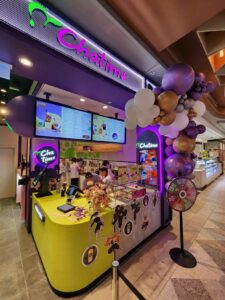
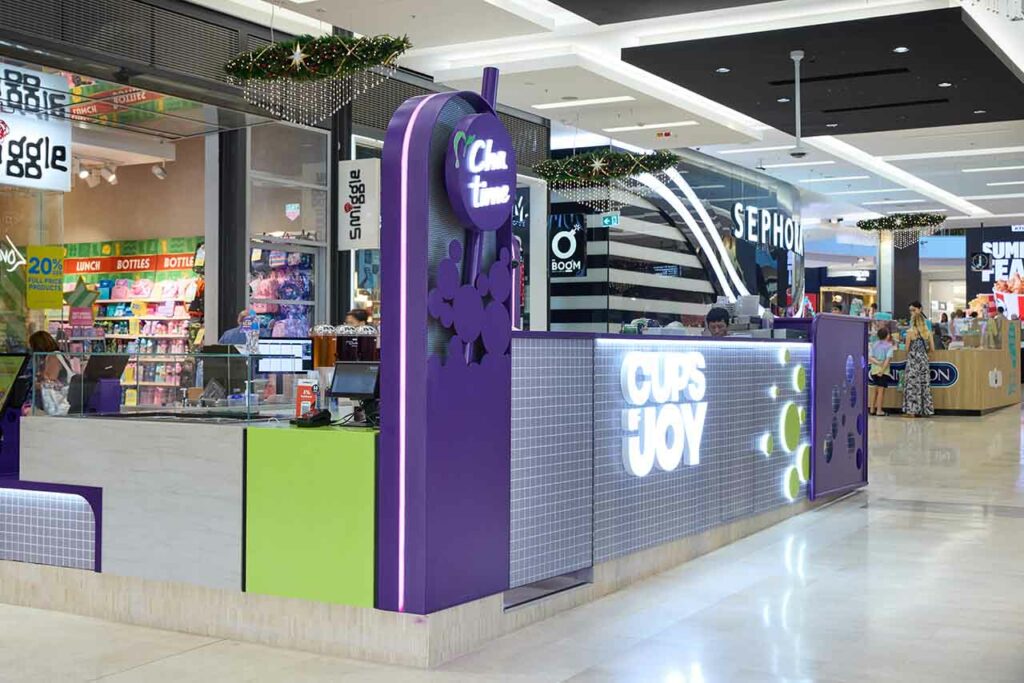
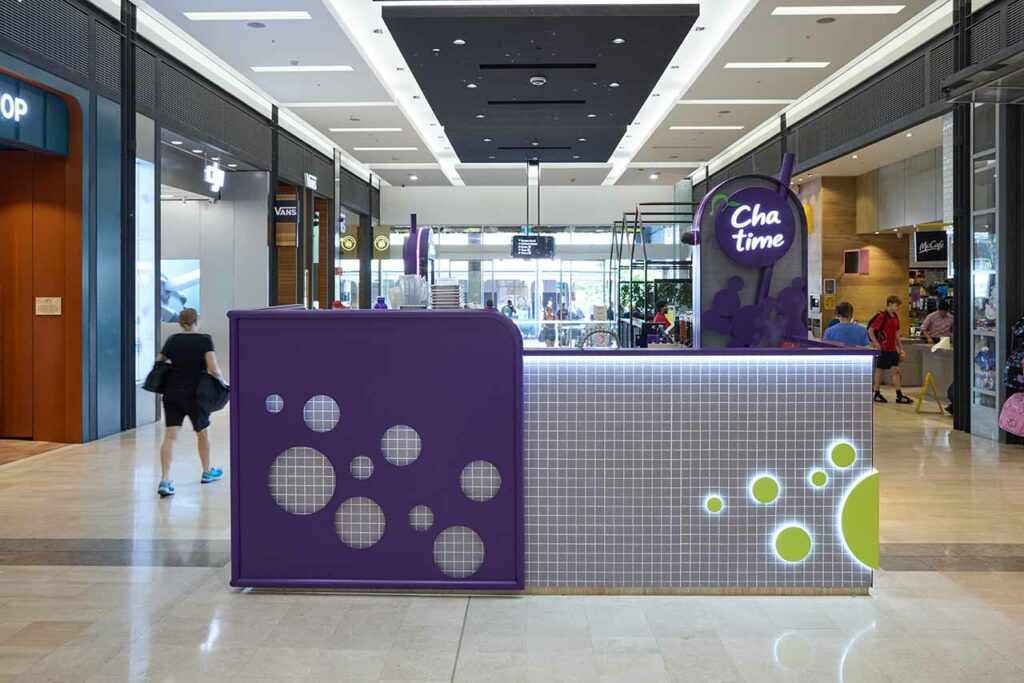
Fit-out refers to the physical construction, design, and installation of a franchise location. This includes shopfront signage, interior design, equipment installation, and all work required to transform a raw tenancy into a trading store. Fit-out costs form a significant portion of the total investment.
What Is a Training Programme?
A training programme is the structured learning experience provided by the franchisor to prepare new franchisees and their staff to operate the business. Training typically covers drink preparation, equipment use, food safety, customer service, and business management.
What Is a KPI?
KPI stands for Key Performance Indicator. In franchise operations, KPIs are measurable targets used to assess store performance. Common bubble tea franchise KPIs include average transaction value, drinks sold per hour, waste rates, and customer satisfaction scores.
Legal and Compliance Terms
What Is the Franchising Code of Conduct?
The Franchising Code of Conduct is the mandatory industry code that regulates franchise relationships in Australia. It sets minimum standards for disclosure, dispute resolution, and conduct between franchisors and franchisees. Non-compliance can result in significant penalties.
What Is a Cooling-Off Period?
Under the Australian Franchising Code of Conduct, prospective franchisees have a seven-day cooling-off period after signing a franchise agreement. During this time, the franchisee may withdraw from the agreement with a refund of any paid fees, minus reasonable expenses incurred by the franchisor.
What Is a Renewal Option?
A renewal option gives the franchisee the right to extend their franchise agreement for an additional term upon expiry, provided they have met their obligations. The terms of renewal, including whether fees change, are outlined in the original agreement.
Frequently Asked Questions
1 What is the difference between a franchise fee and a royalty fee?
A franchise fee is a one-off upfront payment for the right to use the brand and system. A royalty fee is an ongoing payment, usually a percentage of sales, made throughout the life of the agreement for continued support and brand access.
2 What does exclusive territory mean in a bubble tea franchise?
An exclusive territory means the franchisor agrees not to open or licence another outlet within your defined geographic area. Not all franchise agreements include exclusivity, so it is important to clarify this before signing.
3 What is the Franchising Code of Conduct and does it apply to bubble tea franchises?
Yes. The Franchising Code of Conduct is a mandatory Australian regulation that applies to all franchise agreements, including bubble tea franchises. It protects franchisees by requiring disclosure and setting fair conduct standards.
4 What is working capital and how much do I need for a bubble tea franchise?
Working capital is the cash reserve needed to cover operating costs before your business becomes profitable. The amount varies depending on your location and cost structure. Your franchisor’s disclosure document and a financial adviser can help you estimate an appropriate figure.
5 What does customisation mean in the bubble tea industry?
Customisation allows customers to personalise their drink by adjusting sugar level, ice level, milk type, and toppings. It is a core feature of the bubble tea experience and requires consistent training to execute well across a franchise network.