A Modern Franchise Model Built for Gen Z Entrepreneurs in Australia
The bubble tea market in Australia is experiencing a dynamic transformation, driven by evolving consumer preferences and cultural influences. This article delves into the key consumer trends shaping the bubble tea landscape, providing insights into demographics, health consciousness, social media impact, flavour innovations, and economic forecasts. Readers will learn how these trends not only influence consumer choices but also drive market growth and franchise opportunities. As the bubble tea phenomenon continues to expand, understanding these trends is crucial for businesses and consumers alike. We will explore the demographics influencing bubble tea consumption, the role of health consciousness, the impact of social media, the latest flavour innovations, and the economic outlook for the bubble tea market in Australia.
What Are the Current Consumer Demographics Shaping Australia’s Bubble Tea Market?
The demographics of bubble tea consumers in Australia are diverse, with significant influence from younger generations. Understanding these demographics is essential for businesses looking to cater to this growing market. The primary consumer base includes Gen Z and Millennials, who are known for their adventurous taste preferences and social media engagement. This demographic shift is reshaping the bubble tea landscape, as these consumers seek unique flavours and experiences that align with their lifestyle choices.
Indeed, research highlights the multifaceted values and behaviours of Gen Z, underscoring their impact on tea trends through preferences for sustainability, aesthetics, personalisation, and health.
Gen Z Bubble Tea Trends: Health, Social Media and Personalisation
Generation Z, born between 1997 and 2012, is shaping how modern beverage brands grow. Research shows Gen Z actively seeks tea products that feel sustainable, visually appealing, personalised, and aligned with health and wellness choices.
Bubble tea fits naturally into these preferences. Its customisable format, ability to support lower sugar options, and strong visual identity make it highly appealing to this generation. Just as important, digital engagement plays a major role. Gen Z connects with brands through social platforms, community-driven campaigns, and influencer partnerships that feel authentic rather than transactional.
Source: Role of Research Insights in Connecting Generation Z Values and Characteristics to Tea Trends, IM Wickramarathna, 2025
How Do Gen Z and Millennials Influence Bubble Tea Preferences in Australia?
Gen Z and Millennials are pivotal in driving bubble tea preferences in Australia. Their inclination towards trendy flavors and visually appealing beverages is evident in the popularity of unique combinations such as matcha and fruit-infused teas. Social media platforms like Instagram and TikTok amplify these trends, as consumers share their bubble tea experiences, influencing their peers. Additionally, health consciousness among these age groups has led to a demand for lower-sugar options and natural ingredients, further shaping their preferences.
This focus on health consciousness among younger generations raises important questions about how they perceive the health implications of popular beverages like bubble tea.
Gen Z and Bubble Tea: TikTok Marketing and Health Perceptions
Short-form video platforms like TikTok play a powerful role in how Gen Z engages with beverage brands. Research highlights that visually striking drinks, including bubble tea, are often positioned as moments of enjoyment rather than everyday consumption.
For many young consumers, high-sugar or dessert-style drinks are viewed as an occasional treat, not a daily staple. This distinction is increasingly important as awareness around sugar intake and health grows. Brands that acknowledge this balance, offering customisation and choice, tend to resonate more strongly with Gen Z audiences.
Bubble tea’s flexibility allows it to sit comfortably within this mindset. The ability to adjust sweetness levels and personalise drinks helps align enjoyment with conscious decision-making, while TikTok-driven storytelling keeps the experience social, aspirational, and shareable.
Source: Quenching Gen Z’s Thirst: Teen-Targeted Beverage Marketing on TikTok, E Truman, 2025
What Role Do Students and Young Adults Play in Bubble Tea Consumption?
Students and young adults significantly impact bubble tea consumption patterns in Australia. Their frequent visits to bubble tea shops, often in social settings, contribute to the beverage’s popularity. Surveys indicate that this demographic consumes bubble tea regularly, driven by brand loyalty and the desire for social experiences. The affordability and accessibility of bubble tea make it a favoured choice among students, reinforcing its position in the beverage market.
How Is Health Consciousness Transforming Bubble Tea Choices in Australia?
Health consciousness is a growing trend that is transforming consumer choices in the bubble tea market. As more Australians prioritise their health and wellness, they are increasingly seeking beverages that align with these values. This shift has led to the emergence of low-sugar and sugar-free options, as well as the incorporation of functional ingredients that promote health benefits.
What Are the Popular Low-Sugar and Sugar-Free Bubble Tea Options?
Popular low-sugar and sugar-free bubble tea options include fruit teas sweetened with natural alternatives like stevia or monk fruit. Brands are responding to consumer demand by offering customisable sweetness levels, allowing customers to tailor their drinks to their health preferences. This trend not only caters to health-conscious consumers but also attracts those looking to reduce their sugar intake without sacrificing flavour.
How Are Plant-Based Milks and Functional Ingredients Driving Health Trends?
The rise of plant-based milks and functional ingredients is significantly influencing health trends in the bubble tea market. Consumers are increasingly opting for alternatives like almond, oat, and soy milk, which align with their dietary preferences and ethical considerations. Additionally, the incorporation of functional ingredients such as collagen, probiotics, and adaptogens is becoming more common, appealing to health-conscious consumers seeking added benefits in their beverages.
In What Ways Does Social Media Influence Bubble Tea Culture and Trends in Australia?
Social media plays a crucial role in shaping bubble tea culture and trends in Australia. Platforms like Instagram and TikTok serve as powerful marketing tools, where visually appealing content drives consumer interest and engagement. The influence of social media extends beyond mere aesthetics; it also impacts consumer behavior and brand loyalty.
How Do Instagram and TikTok Shape Bubble Tea Popularity Among Australian Consumers?
Instagram and TikTok have become essential platforms for promoting bubble tea, with users sharing vibrant images and videos of their drinks. The visual appeal of bubble tea, combined with creative presentation, encourages users to share their experiences, creating a viral effect that boosts popularity. Hashtags and challenges related to bubble tea further enhance its visibility, attracting new consumers and fostering a sense of community among enthusiasts.
What Impact Do Influencer Marketing and Viral Trends Have on Bubble Tea Demand?
Influencer marketing and viral trends significantly impact bubble tea demand in Australia. Influencers often showcase their favorite bubble tea brands, creating authentic connections with their followers. Viral trends, such as unique flavor combinations or limited-time offerings, generate excitement and urgency, prompting consumers to try new products. This dynamic relationship between influencers and consumers drives sales and fosters brand loyalty in the competitive bubble tea market.
What Are the Latest Flavour Innovations and Customisation Trends in Australian Bubble Tea?
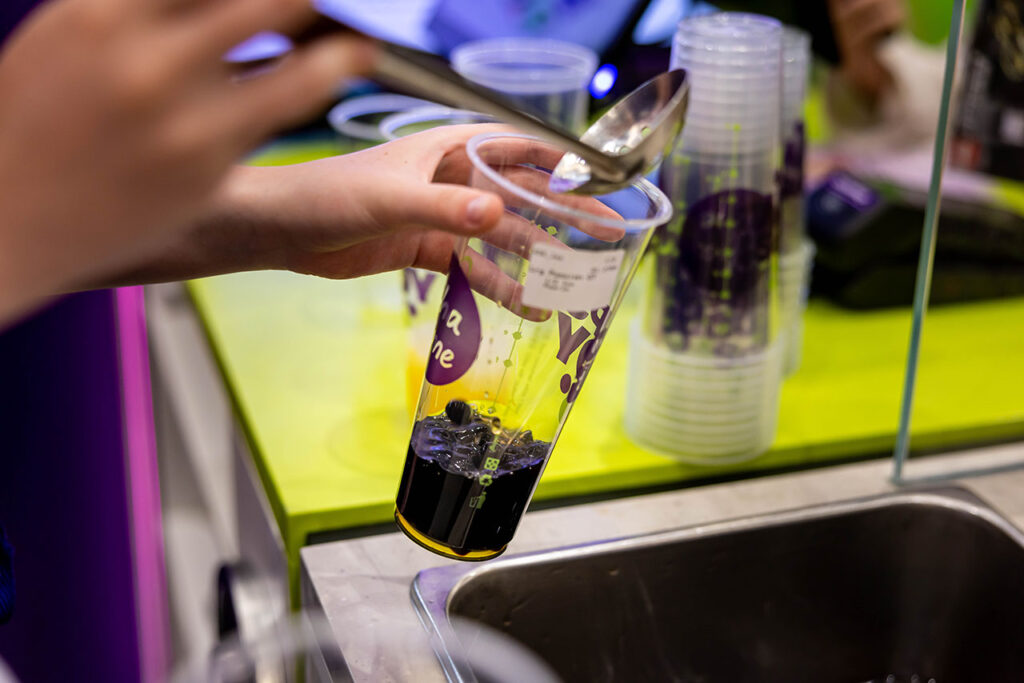
Flavour innovations and customisation are at the forefront of the bubble tea market in Australia. As consumers seek unique and personalised experiences, brands are responding with creative flavour combinations and customisable options that cater to individual preferences.
Which New Flavours and Toppings Are Gaining Popularity?
New flavors and toppings are continually emerging in the bubble tea market, with options like taro, brown sugar, and fruit-infused teas gaining traction. Additionally, innovative toppings such as popping boba, cheese foam, and herbal jelly are becoming popular choices among consumers. These unique offerings not only enhance the taste experience but also provide opportunities for brands to differentiate themselves in a crowded market.
Why Is Customization a Key Driver for Australian Bubble Tea Consumers?
Customisation is a key driver for Australian bubble tea consumers, allowing them to tailor their drinks to their specific tastes and dietary needs. The ability to choose sweetness levels, milk alternatives, and toppings empowers consumers to create a beverage that reflects their preferences. This trend not only enhances customer satisfaction but also fosters brand loyalty, as consumers are more likely to return to brands that offer personalised options.
What Is the Economic Outlook and Market Growth Forecast for Bubble Tea in Australia?
The economic outlook for the bubble tea market in Australia is promising, with significant growth projections anticipated in the coming years. As consumer demand continues to rise, businesses are exploring franchise opportunities to capitalise on this trend.
What Are the Market Size and Growth Projections Through 2035?
Market research indicates that the bubble tea market in Australia is expected to grow substantially, with projections estimating a compound annual growth rate (CAGR) of around 8-10% through 2035. This growth is driven by increasing consumer interest, expanding product offerings, and the proliferation of bubble tea shops across urban areas. The market’s expansion presents lucrative opportunities for entrepreneurs and established brands alike.
How Does Franchise Expansion Influence the Competitive Landscape?
Franchise expansion plays a crucial role in shaping the competitive landscape of the bubble tea market. As more brands enter the market, competition intensifies, leading to innovation and improved product offerings. Franchise models allow for rapid growth and brand recognition, enabling businesses to reach a wider audience. This competitive environment ultimately benefits consumers, who enjoy a diverse range of options and experiences in the bubble tea market.
| Market Segment | Growth Rate | Key Drivers |
|---|---|---|
| Gen Z Consumers | 10-12% CAGR | Trendy flavours, social media influence |
| Health-Conscious Consumers | 8-10% CAGR | Low-sugar options, plant-based ingredients |
| Franchise Opportunities | 12-15% CAGR | Rapid expansion, brand recognition |
The bubble tea market in Australia is poised for significant growth, driven by evolving consumer preferences and a dynamic competitive landscape. Understanding these trends is essential for businesses looking to thrive in this vibrant market.
Ready to Turn Gen Z Demand into a Real Business Opportunity?
Bubble tea continues to lead youth-driven food and beverage trends. With a globally recognised brand, proven systems, and ongoing support, Chatime gives you the platform to build a modern, scalable franchise business in Australia.
Frequently Asked Questions
Quick answers for Gen Z entrepreneurs exploring a bubble tea franchise in Australia.